We are a world leading provider of tensile testing solutions
Tensile testing is an important part of design and quality control for ensuring product safety and performance.
PPT Group can guide you to the best solution for your tensile testing requirements.
Advancing materials science with cutting-edge tensile testing solutions
Tensile testing is commonly understood as 'the application of a uni-axial tension force to measure the performance of a test sample, up to the point it yields or breaks'. Basically it involves pulling something apart in a straight line and seeing how its physical properties change.

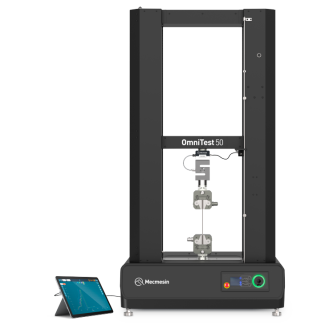

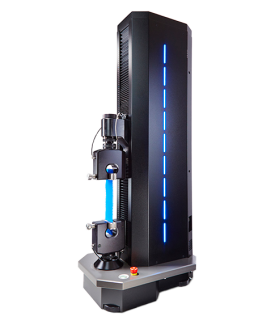
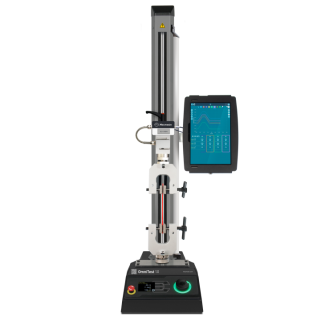

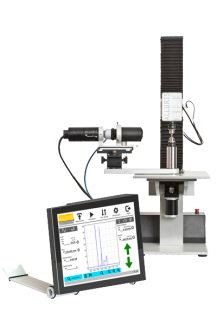
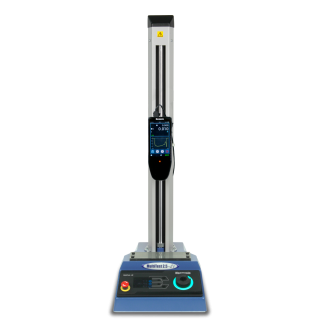
Which test standard are you working to?
PPT Group offers a comprehensive range of high-quality tensile testers designed to assist clients in fulfilling the requirements of both international and in-house tensile test standards.

Common industry applications for tensile testing
Tensile testers are used to measure the strength of products and components or the properties of materials. Tensile testing is commonly carried out on objects like textile attachments, welded connectors and fastenings, adhesive joints and seals.

Medical and medical devices

Plastic,rubbers and elastomers

Safety, fitness and leisure

Packaging and packing materials

Electrical and electronics

Aerospace

Textile

Automotive


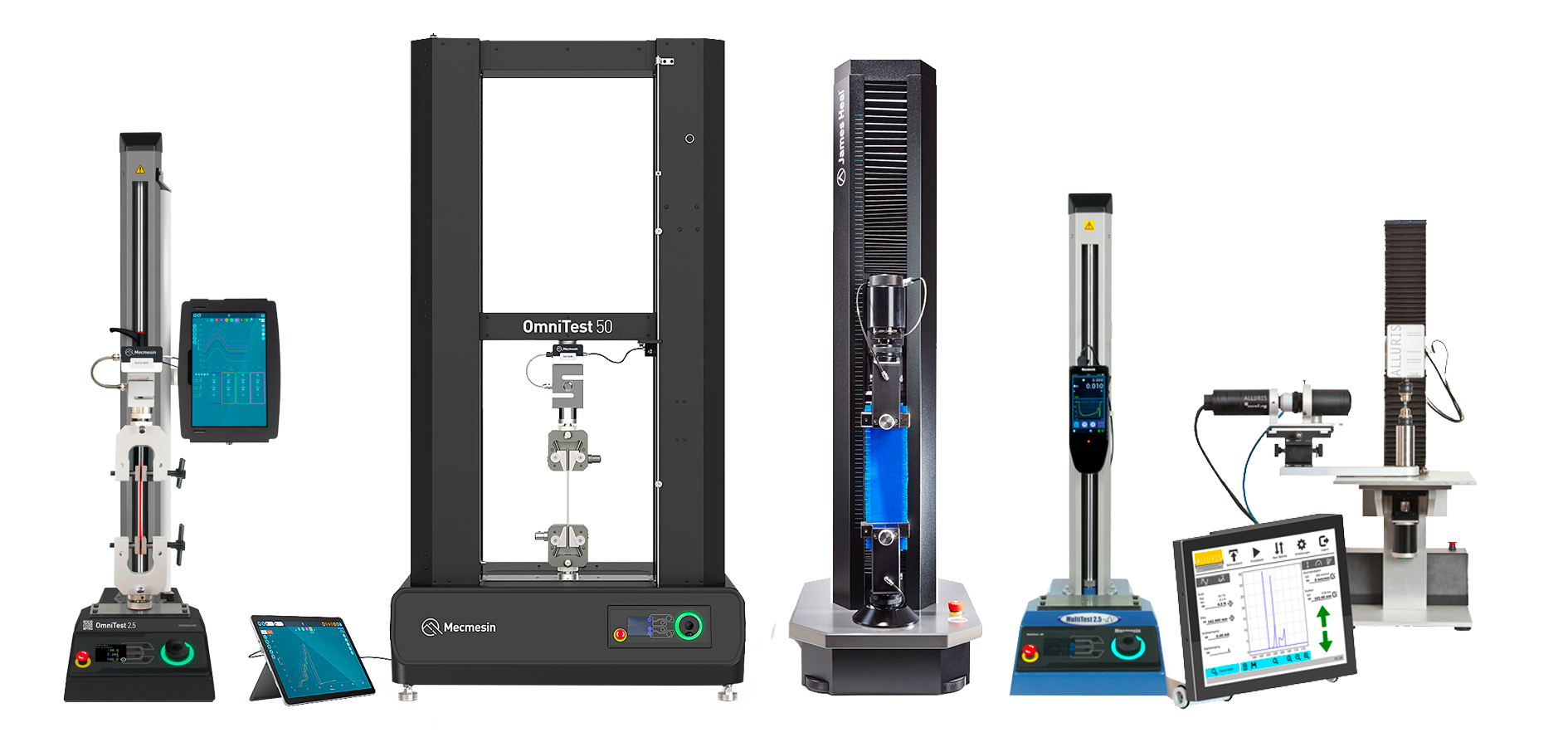

Want to test drive a tensile tester?
Talk to us about your tensile testing requirements and we can arrange a solution demo with tensile testing of your samples.
Outsourced tensile testing services can get expensive fast. PPT Group tensile testers make in-house testing easy, accurate and can save your business money.
Our solutions are easy to use, reliable and affordable with our expertise and support on-tap.
What do our customers say?
Mecmesin provided us with a cost-effective solution to meet our needs and with exceptional customer service. I would have no hesitation in recommending them to other companies with materials testing requirements.
Business Quality Manager
British Gaskets Group












![Cosmetics brush pull-out [PDV14098]](/sites/default/files/2023-10/1661-PDV14098-4-web.jpg "1661-PDV14098-4-web.jpg")